22 Jun 20265 Min Read
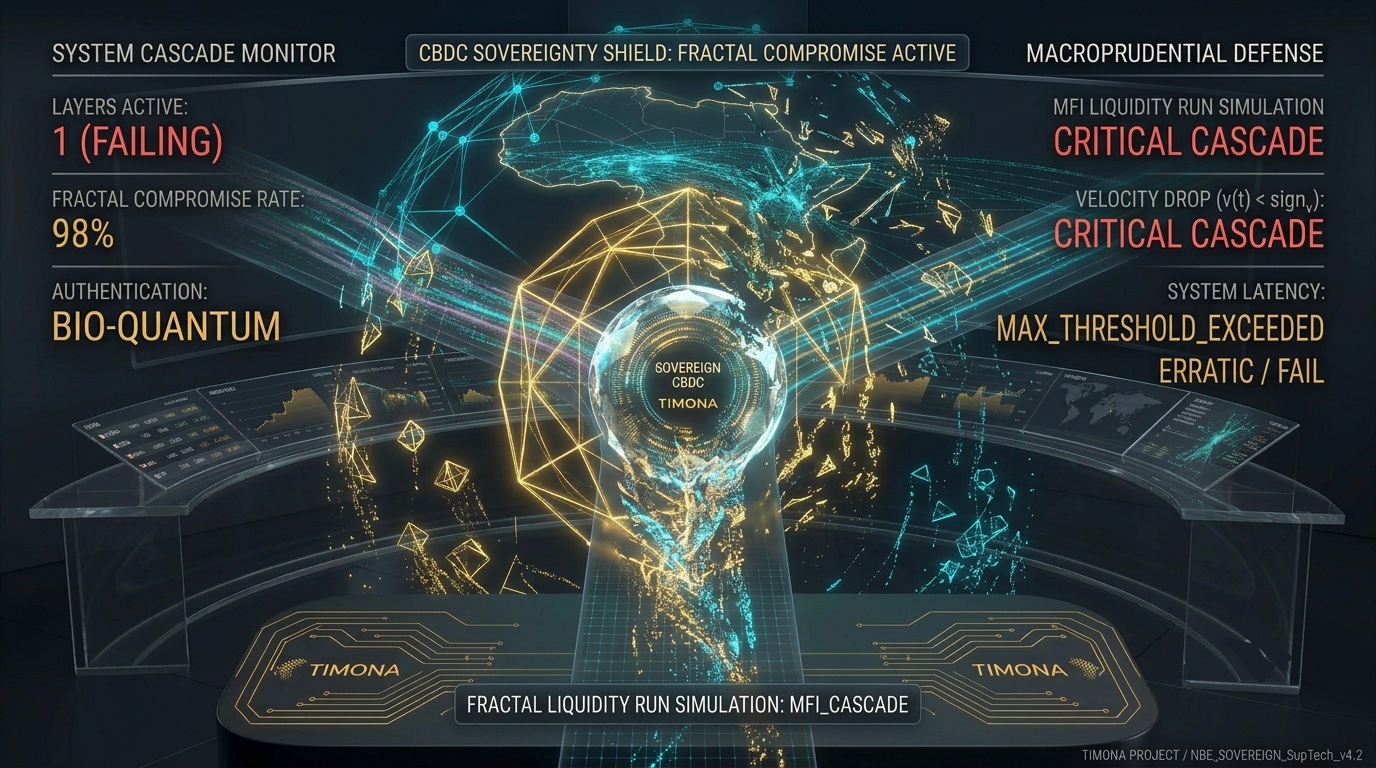
Simulation: Fractal Liquidity Runs in MFIs
ተግባር ማሳያ፡ በአነስተኛ ፋይናንስ ተቋማት የፍሰት መሟጠጥ
Topic: Simulation of Fractal Liquidity Runs in Microfinance Institutions (MFIs)
Introduction to Fractal Liquidity Dynamics
In the ecosystem of digital microlending, liquidity crises often exhibit "fractal" characteristics—patterns that repeat at different scales, from individual rural agents to regional clusters. Unlike traditional bank runs, a fractal liquidity run in an MFI often begins at the "periphery": the remote mobile wallets and villagelevel agents. This simulation demonstrates how sudden drops in transaction velocity serve as early warning signals before a systemic collapse occurs.
The Simulation Environment
The interactive dashboard presents a realtime graph of a decentralized lending network. Each node represents a peripheral wallet or a microagent. Under normal conditions, the nodes pulse with a steady green hue, indicating healthy transaction velocity (TV). Transaction velocity is defined here as the frequency and volume of peertopeer transfers and cashout requests relative to the wallet’s baseline.
Phase 1: The Trigger and Velocity Drop
As the simulation begins, we introduce a "local shock"—perhaps a localized crop failure or a regional network outage. In Sector G (a cluster of 500 peripheral wallets), the AI detects a 40% drop in transaction velocity within six minutes. While the total liquidity in the system remains high, the movement of money has stalled.
Phase 2: Explainable AI (XAI) Intervention
This is where Explainable AI (ExAI) metrics become critical. Rather than providing a simple "High Risk" alert, the system generates a SHAP (SHapley Additive exPlanations) visualization.
Feature Contribution: The XAI identifies that "WithdrawaltoDeposit Ratio" and "Wallet Interconnectivity" are the primary drivers of the alert.
Local Logic: The model explains: "The drop in Sector G is not due to low balances, but due to a breakdown in 'Circular Flow.' Users are hoarding digital tokens instead of transacting, predicting a physical cashout surge at agents within 2 hours."
Phase 3: The Fractal Contagion
The simulation shows the "fractal" nature of the crisis. The stagnation in Sector G begins to bleed into Sector H. As peripheral agents run out of physical cash to satisfy the digital hoarding, panic spreads. The AI metrics track the "Velocity Decay Constant." By visualizing the why behind the decay, MFI managers can see that the issue is a "Confidence Gap" rather than a "Solvency Gap."
Conclusion and Mitigation
The walkthrough concludes with proactive measures. Using the XAI insights, the simulation triggers a "Liquidity Injection" to specific peripheral nodes to restore confidence. By detecting the velocity drop at the fractal level before it reaches the central treasury, the MFI prevents a total system freeze. This interactive model proves that in the age of mobile money, speed of explanation is just as vital as speed of detection.
Introduction to Fractal Liquidity Dynamics
In the ecosystem of digital microlending, liquidity crises often exhibit "fractal" characteristics—patterns that repeat at different scales, from individual rural agents to regional clusters. Unlike traditional bank runs, a fractal liquidity run in an MFI often begins at the "periphery": the remote mobile wallets and villagelevel agents. This simulation demonstrates how sudden drops in transaction velocity serve as early warning signals before a systemic collapse occurs.
The Simulation Environment
The interactive dashboard presents a realtime graph of a decentralized lending network. Each node represents a peripheral wallet or a microagent. Under normal conditions, the nodes pulse with a steady green hue, indicating healthy transaction velocity (TV). Transaction velocity is defined here as the frequency and volume of peertopeer transfers and cashout requests relative to the wallet’s baseline.
Phase 1: The Trigger and Velocity Drop
As the simulation begins, we introduce a "local shock"—perhaps a localized crop failure or a regional network outage. In Sector G (a cluster of 500 peripheral wallets), the AI detects a 40% drop in transaction velocity within six minutes. While the total liquidity in the system remains high, the movement of money has stalled.
Phase 2: Explainable AI (XAI) Intervention
This is where Explainable AI (ExAI) metrics become critical. Rather than providing a simple "High Risk" alert, the system generates a SHAP (SHapley Additive exPlanations) visualization.
Feature Contribution: The XAI identifies that "WithdrawaltoDeposit Ratio" and "Wallet Interconnectivity" are the primary drivers of the alert.
Local Logic: The model explains: "The drop in Sector G is not due to low balances, but due to a breakdown in 'Circular Flow.' Users are hoarding digital tokens instead of transacting, predicting a physical cashout surge at agents within 2 hours."
Phase 3: The Fractal Contagion
The simulation shows the "fractal" nature of the crisis. The stagnation in Sector G begins to bleed into Sector H. As peripheral agents run out of physical cash to satisfy the digital hoarding, panic spreads. The AI metrics track the "Velocity Decay Constant." By visualizing the why behind the decay, MFI managers can see that the issue is a "Confidence Gap" rather than a "Solvency Gap."
Conclusion and Mitigation
The walkthrough concludes with proactive measures. Using the XAI insights, the simulation triggers a "Liquidity Injection" to specific peripheral nodes to restore confidence. By detecting the velocity drop at the fractal level before it reaches the central treasury, the MFI prevents a total system freeze. This interactive model proves that in the age of mobile money, speed of explanation is just as vital as speed of detection.
ተግባር ማሳያ፡ በአነስተኛ ፋይናንስ ተቋማት የፍሰት መሟጠጥ
ርዕስ፡ በአነስተኛ የብድርና ቁጠባ ተቋማት ውስጥ የሚከሰቱ የፈሳሽነት (Liquidity) እጥረት ፍሰቶችን በሲሙሌሽን መለማመድ
የፍራክታል ፈሳሽነት ባህሪ መግቢያ
በዲጂታል አነስተኛ ብድርና ቁጠባ (MFI) ዘርፍ ውስጥ፣ የገንዘብ እጥረት ቀውስ "ፍራክታል" (fractal) ባህሪ አለው። ይህም ማለት ቀውሱ የሚጀምረው በትልልቅ ማዕከላት ሳይሆን፣ በራቁ አካባቢዎች በሚገኙ ግለሰቦች እና አነስተኛ ወኪሎች ዘንድ በሚታዩ ተደጋጋሚ የአነስተኛ ደረጃ መስተጓጎሎች ነው። ይህ የሲሙሌሽን ማሳያ፣ በሞባይል ቦርሳዎች ውስጥ የሚታይ ድንገተኛ የገንዘብ ዝውውር ፍጥነት (Transaction Velocity) መቀነስ እንዴት ለትልቅ ቀውስ ቅድመማስጠንቀቂያ እንደሚሆን ያሳያል።
የሲሙሌሽን ይዘት
ይህ በይነተግባራዊ (Interactive) ዳሽቦርድ ያልተማከለ የብድር አውታረ መረብን በቅጽበት ያሳያል። እያንዳንዱ ነጥብ (Node) የገጠር ወኪሎችን ወይም የግለሰብ የሞባይል ቦርሳዎችን ይወክላል። በተለመደው ሁኔታ ነጥቦቹ አረንጓዴ ቀለም ይኖራቸዋል፤ ይህም ጤናማ የገንዘብ ዝውውር መኖሩን ያሳያል። የዝውውር ፍጥነት የምንለው አንድ ቦርሳ ውስጥ የሚገባውና የሚወጣው ገንዘብ ድግግሞሽና መጠንን ነው።
ምዕራፍ 1፡ ድንገተኛ የዝውውር ፍጥነት መቀነስ
ሲሙሌሽኑ ሲጀምር አንድ "ድንገተኛ አደጋ" (ለምሳሌ የሰብል ውድመት) ይፈጠራል። በ "ክፍል ጂ" (Sector G) ውስጥ በሚገኙ 500 የሞባይል ቦርሳዎች ላይ በስድስት ደቂቃ ውስጥ የገንዘብ ዝውውር ፍጥነት በ40 በመቶ ይቀንሳል። ምንም እንኳን በተቋሙ ውስጥ ያለው አጠቃላይ ገንዘብ ባይቀንስም፣ የገንዘቡ የመንቀሳቀስ ሂደት ይገታል።
ምዕራፍ 2፡ ሊብራራ የሚችል ሰውሰራሽ አስተውሎት (ExAI)
እዚህ ጋር ሊብራራ የሚችል ሰውሰራሽ አስተውሎት (ExAI) ሚና ጎልቶ ይታያል። ሲስተሙ "አደጋ አለ" ብሎ ብቻ ዝም አይልም፤ ይልቁንም ምክንያቶቹን በዝርዝር ያሳያል።
የመተንተኛ መለኪያዎች፡ ሰውሰራሽ አስተውሎቱ "ከፍተኛ የገንዘብ ማውጣት ፍላጎት" እና "የቦርሳዎች እርስ በእርስ ትስስር መቋረጥ" ለአደጋው መንስኤ መሆናቸውን ይለያል።
የውሳኔ አመክንዮ፡ ሞዴሉ ሲያስረዳ፦ "በክፍል ጂ የታየው መቀነስ የገንዘብ እጥረት ስላለ ሳይሆን፣ ተጠቃሚዎች ዲጂታል ገንዘባቸውን ከማዘዋወር ይልቅ ይዘው ለመቀመጥ በመምረጣቸው ነው። ይህም በሚቀጥሉት 2 ሰዓታት ውስጥ ወኪሎች ጋ ከፍተኛ የጥሬ ገንዘብ ፍላጎት እንደሚኖር ያሳያል" ይላል።
ምዕራፍ 3፡ የችግሩ መስፋፋት (Contagion)
ሲሙሌሽኑ ችግሩ እንዴት ከቦታ ቦታ እንደሚተላለፍ ያሳያል። በ "ክፍል ጂ" የታየው መቆም ወደ "ክፍል ኤች" ይተላለፋል። የገጠር ወኪሎች ጥሬ ገንዘብ ሲያጥራቸው የህዝብ ስጋት ይጨምራል። የ ExAI መለኪያዎች የፍጥነቱን መቀነስ (Velocity Decay) በቅርበት ይከታተላሉ። የድርጅቱ ስራ አስኪያጆች ችግሩ የገንዘብ ማጣት (Solvency) ሳይሆን በስርዓቱ ላይ የመተማመን ችግር (Confidence Gap) መሆኑን ይረዳሉ።
ማጠቃለያ እና የመፍትሄ እርምጃ
ሲሙሌሽኑ መፍትሄዎችን በማሳየት ይጠናቀቃል። በ ExAI በተገኘው መረጃ መሰረት፣ ሲስተሙ በችግር ላይ ላሉ አነስተኛ ወኪሎች ፈጣን የገንዘብ ድጋፍ (Liquidity Injection) በማድረግ እምነት እንዲመለስ ያደርጋል። ይህ የሲሙሌሽን ማሳያ፣ በዲጂታል የገንዘብ ስርዓት ውስጥ ችግሩን አስቀድሞ ከመለየት በላይ፣ ለምን እንደተከሰተ በዝርዝር መረዳት ለቀውስ አመራር ወሳኝ መሆኑን ያረጋግጣል።
Full Read
የፍራክታል ፈሳሽነት ባህሪ መግቢያ
በዲጂታል አነስተኛ ብድርና ቁጠባ (MFI) ዘርፍ ውስጥ፣ የገንዘብ እጥረት ቀውስ "ፍራክታል" (fractal) ባህሪ አለው። ይህም ማለት ቀውሱ የሚጀምረው በትልልቅ ማዕከላት ሳይሆን፣ በራቁ አካባቢዎች በሚገኙ ግለሰቦች እና አነስተኛ ወኪሎች ዘንድ በሚታዩ ተደጋጋሚ የአነስተኛ ደረጃ መስተጓጎሎች ነው። ይህ የሲሙሌሽን ማሳያ፣ በሞባይል ቦርሳዎች ውስጥ የሚታይ ድንገተኛ የገንዘብ ዝውውር ፍጥነት (Transaction Velocity) መቀነስ እንዴት ለትልቅ ቀውስ ቅድመማስጠንቀቂያ እንደሚሆን ያሳያል።
የሲሙሌሽን ይዘት
ይህ በይነተግባራዊ (Interactive) ዳሽቦርድ ያልተማከለ የብድር አውታረ መረብን በቅጽበት ያሳያል። እያንዳንዱ ነጥብ (Node) የገጠር ወኪሎችን ወይም የግለሰብ የሞባይል ቦርሳዎችን ይወክላል። በተለመደው ሁኔታ ነጥቦቹ አረንጓዴ ቀለም ይኖራቸዋል፤ ይህም ጤናማ የገንዘብ ዝውውር መኖሩን ያሳያል። የዝውውር ፍጥነት የምንለው አንድ ቦርሳ ውስጥ የሚገባውና የሚወጣው ገንዘብ ድግግሞሽና መጠንን ነው።
ምዕራፍ 1፡ ድንገተኛ የዝውውር ፍጥነት መቀነስ
ሲሙሌሽኑ ሲጀምር አንድ "ድንገተኛ አደጋ" (ለምሳሌ የሰብል ውድመት) ይፈጠራል። በ "ክፍል ጂ" (Sector G) ውስጥ በሚገኙ 500 የሞባይል ቦርሳዎች ላይ በስድስት ደቂቃ ውስጥ የገንዘብ ዝውውር ፍጥነት በ40 በመቶ ይቀንሳል። ምንም እንኳን በተቋሙ ውስጥ ያለው አጠቃላይ ገንዘብ ባይቀንስም፣ የገንዘቡ የመንቀሳቀስ ሂደት ይገታል።
ምዕራፍ 2፡ ሊብራራ የሚችል ሰውሰራሽ አስተውሎት (ExAI)
እዚህ ጋር ሊብራራ የሚችል ሰውሰራሽ አስተውሎት (ExAI) ሚና ጎልቶ ይታያል። ሲስተሙ "አደጋ አለ" ብሎ ብቻ ዝም አይልም፤ ይልቁንም ምክንያቶቹን በዝርዝር ያሳያል።
የመተንተኛ መለኪያዎች፡ ሰውሰራሽ አስተውሎቱ "ከፍተኛ የገንዘብ ማውጣት ፍላጎት" እና "የቦርሳዎች እርስ በእርስ ትስስር መቋረጥ" ለአደጋው መንስኤ መሆናቸውን ይለያል።
የውሳኔ አመክንዮ፡ ሞዴሉ ሲያስረዳ፦ "በክፍል ጂ የታየው መቀነስ የገንዘብ እጥረት ስላለ ሳይሆን፣ ተጠቃሚዎች ዲጂታል ገንዘባቸውን ከማዘዋወር ይልቅ ይዘው ለመቀመጥ በመምረጣቸው ነው። ይህም በሚቀጥሉት 2 ሰዓታት ውስጥ ወኪሎች ጋ ከፍተኛ የጥሬ ገንዘብ ፍላጎት እንደሚኖር ያሳያል" ይላል።
ምዕራፍ 3፡ የችግሩ መስፋፋት (Contagion)
ሲሙሌሽኑ ችግሩ እንዴት ከቦታ ቦታ እንደሚተላለፍ ያሳያል። በ "ክፍል ጂ" የታየው መቆም ወደ "ክፍል ኤች" ይተላለፋል። የገጠር ወኪሎች ጥሬ ገንዘብ ሲያጥራቸው የህዝብ ስጋት ይጨምራል። የ ExAI መለኪያዎች የፍጥነቱን መቀነስ (Velocity Decay) በቅርበት ይከታተላሉ። የድርጅቱ ስራ አስኪያጆች ችግሩ የገንዘብ ማጣት (Solvency) ሳይሆን በስርዓቱ ላይ የመተማመን ችግር (Confidence Gap) መሆኑን ይረዳሉ።
ማጠቃለያ እና የመፍትሄ እርምጃ
ሲሙሌሽኑ መፍትሄዎችን በማሳየት ይጠናቀቃል። በ ExAI በተገኘው መረጃ መሰረት፣ ሲስተሙ በችግር ላይ ላሉ አነስተኛ ወኪሎች ፈጣን የገንዘብ ድጋፍ (Liquidity Injection) በማድረግ እምነት እንዲመለስ ያደርጋል። ይህ የሲሙሌሽን ማሳያ፣ በዲጂታል የገንዘብ ስርዓት ውስጥ ችግሩን አስቀድሞ ከመለየት በላይ፣ ለምን እንደተከሰተ በዝርዝር መረዳት ለቀውስ አመራር ወሳኝ መሆኑን ያረጋግጣል።
© 2026 TIMONA Intelligence Hub